Research Project
Coyote Brings the Food Home
Activate Yirí7 re stsq’ey’s-kucw (Secwepemc laws and customs) encoded in the Stseptekwle (Coyote Stories).
About the Research
Coyote Brings the Food Home seeks to engage Lakes Secwepemc in a process led by and for our people to interpret and activate Yirí7 re stsq’ey’s-kucw (Secwepemc laws and customs) encoded in our Stseptekwle (Coyote stories).
Our ancestral knowledge, wisdom, and values are grounded in lived experience and the intergenerational transmission of laws and stories written in the land. A critical review of the dynamics and systems of relationships that impact the agency of subsistence harvesters is necessary to build collective power across the four pillars of food justice—knowledge, culture, economic power, and political power—through research led by and for the Lakes Secwepemc.

Why is our research important?
There is little to no inclusion of Lakes Secwepemc in decision-making processes affecting the rapid decline in the health of our ancestral foods and medicines across forests, fields, and waterways.
Meaningful inclusion in these decisions requires new accountability frameworks that address the systemic injustices embedded within settler-colonial policy, planning, and governance systems related to agriculture, forestry, rangelands, and Western science–based resource management.
Yirí7 re Stsq’ey’s-kucw (Secwepemc laws and customs) can strengthen our ability to develop solutions to the issues impacting our capacity to hunt, fish, farm, and gather our foods.
What is impacting our ancestral foods and medicines?
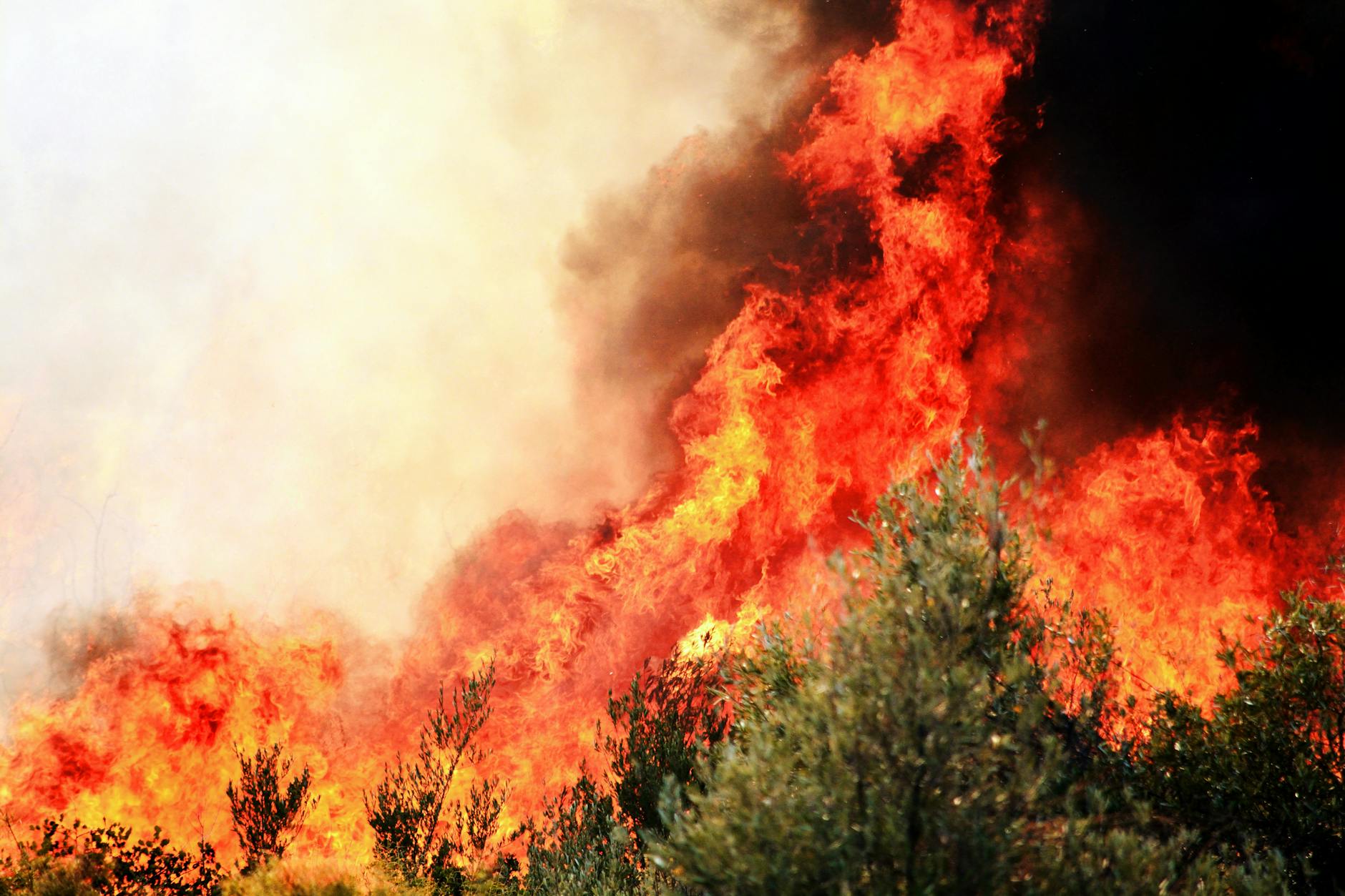
Climate Change and Catastrophic Wildfires
Rising temperatures and extreme weather events are intensifying wildfires, damaging ecosystems and destroying traditional harvesting areas.

Land Encroachment, Privatization, and Tourism Expansion
Expanding privatization and tourism are driving the alienation of collectively held Secwepemc land and water, restricting access to traditional territories and disrupting ecological balance across forests, fields, and waterways.

Loss of Biodiversity
Declining plant and animal diversity weakens ecosystem resilience and reduces the availability of culturally and nutritionally significant species.
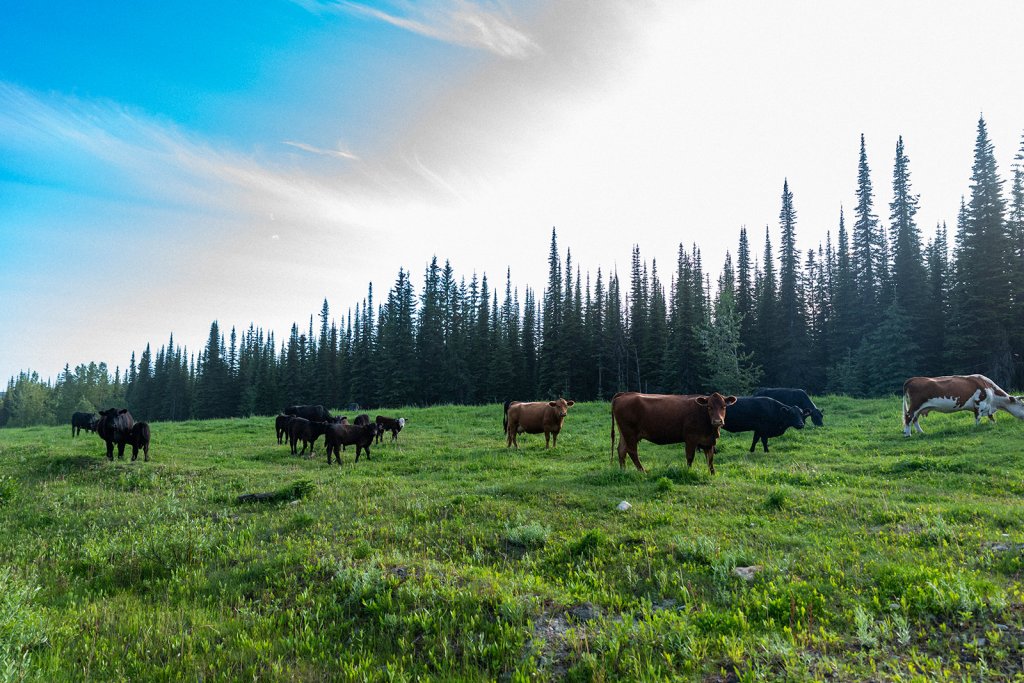
Transnational Corporations and Industrial Expansion
Government-favoured transnational corporations consolidate vast areas of land, water, and infrastructure for industrial agriculture and resource extraction, undermining community stewardship and food sovereignty.
Guiding Values
The research is guided by the 4 key principles of Indigenous food sovereignty outlined by the Working Group on Indigenous Food Sovereignty”, as well as principles for good environmental governance.
Indigenous food sovereignty was given to us by the Creator who placed us on our lands and gave us the sacred responsibility.
Our subsistence harvesting and cultivation methods serve as integrated conservation methods – conservation in action!
Our ongoing participation in subsistence harvesting is a key intervention for enhancing biodiversity and enacting Secwepemc laws “on the ground.”
Our Research Team
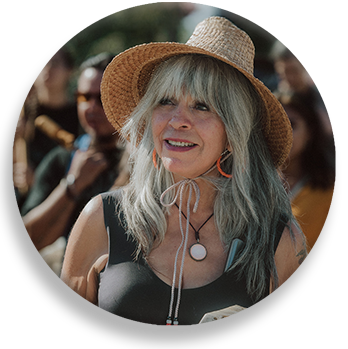
Research Supervisor
Dawn Morrison
Dawn is of Secwepemc ancestry and is the Founder/Curator of the Working Group on Indigenous Food Sovereignty. Since 1983 Dawn has worked and studied horticulture, ethno-botany, adult education, and restoration of natural systems in formal institutions, as well as through her own healing and learning journey with Elders and traditional knowledge holders.
Dawn’s work on the Decolonizing Research and Relationships is focused on creating a critical pathway of consciousness, that shines a light on the cross-cultural interface where Indigenous Food Sovereignty meets, social justice, climate change and regenerative food systems research, action and policy, planning and governance.
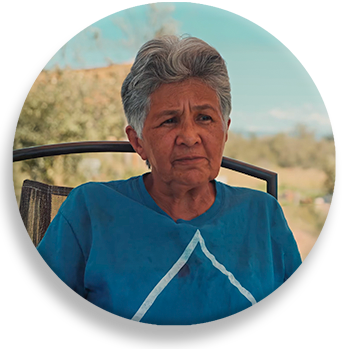
Research Supervisor
Dr. Janice Dick Billy
Dr. Janice Dick Billy is a Secwépemc educator, community leader, activist, traditional harvester, mentor, gardener, and a Secwépemc culture and language teacher.
Janice introduces works with Wumec r Cqweqweluten-kt Society, an organization dedicated to promoting the revitalization of Secwepemctsin through intergenerational learning.

Research Associate
Azadé Aria
Azadé is a Human Rights and Social Justice graduate from Thompson Rivers University and an immigrant settler on Secwepemcúl̓ecw. Her work centers ethical, community-based research that supports Indigenous sovereignty, governance, and biocultural heritage.
Azadé approaches research with relational accountability and respect for land-based knowledge. Her experience in oral history research, survivor-centered methodologies, and environmental justice advocacy, including work with marginalized communities in India and Indigenous coastal communities addressing ecological loss.
Circle of Advisors
The Lakes Secwepemc Circle of Advisors (LSCoA) provides guidance and direction while serving as a living model of place-based, participatory conservation governance led by and for the Lakes Secwepemc.
- Joan Arnouse
- Albert August
- Matthew Jones
- Robin Billy
- Carla Sam
- Rob Matthew
- Greg Whitzky
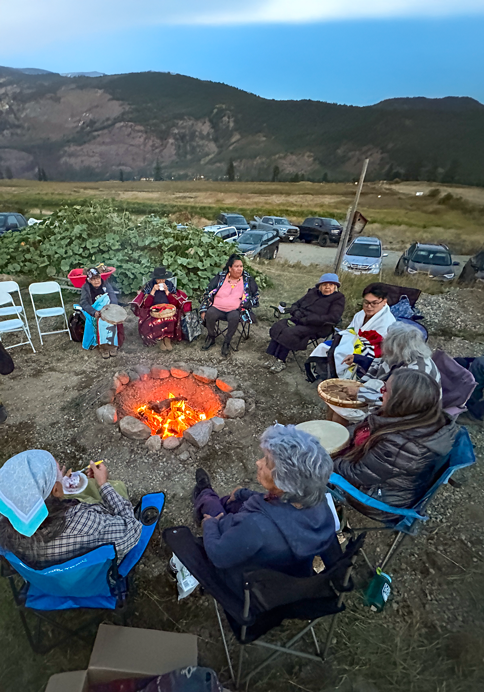
Community Engagement
This project is grounded in meaningful, phased community engagement. Beginning with guidance from Elders, Cultural Carriers, oral historians, and Indigenous law experts, and culminating in a community gathering to share findings.
Preliminary Engagement
Winter 2025–2026
Seek guidance and direction from Elders, Cultural Carriers, oral historians, and Indigenous law experts to inform the project’s approach and priorities.
Research Gatherings
Summer 2026
Recruit and engage two cohorts to participate in two Research Gatherings focused on learning, knowledge exchange, and land-based practice.
Community Gathering to Share Findings
Winter or Spring 2027
Host a community meeting to present findings, reflect collectively, and identify next steps.
Want to know more?
For more information contact our research associate Azadé Aria at:

